How I Successfully Transitioned to LinkedIn after a decade of marketing on Meta
Meta is for the scroll and the customer; LinkedIn is for peers introducing you to rooms full of clients. What flops, what works, and a side-by-side post example.
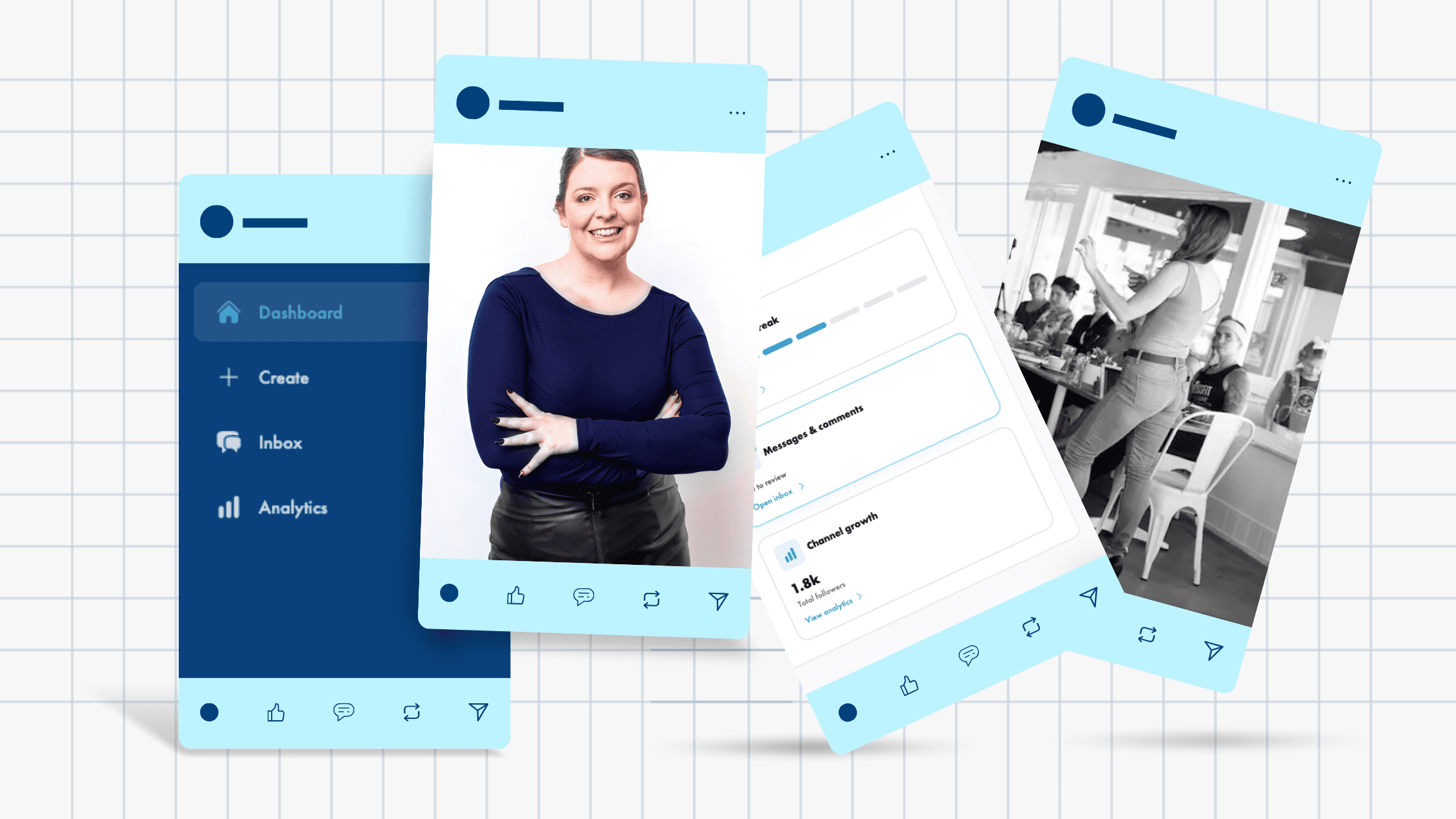
I see so many highly skilled business people looking to make the transition from Meta to LinkedIn but have issues with their content landing in a meaningful way over in a new world.
And I get it. I really do.
You've spent years — maybe the better part of a decade — building something real on Instagram or Facebook.
You know how to stop the scroll.
You know how to write a hook that makes someone feel seen in 0.3 seconds.
You've got the engagement, the community, the DMs from people telling you that your content changed how they think.
You're good at this. You know you're good at this.
And then you open LinkedIn, post something you're genuinely proud of, and hear… nothing.
A few likes from your mum's friend and that one guy from your old corporate job who likes everything. That's it.
So you try again. Same thing. You tweak the format. You add a poll. You write something more "professional" that makes you sound like you swallowed a corporate handbook and hated every second of it.
Still nothing.
And the really maddening part?
You can see other people absolutely thriving on LinkedIn.
Building audiences.
Getting speaking gigs.
Landing clients they never would have met on Instagram.
Getting featured in industry publications.
You're watching it happen in real time and wondering what on earth they know that you don't.
Here's what they know: LinkedIn is a completely different room.
Not a slightly different room. Not a room where you just need to dress a little smarter and tone down the emojis. A fundamentally, structurally, culturally different room — and if you walk in speaking the language of Meta, you'll be politely (and sometimes not so politely) ignored until you figure that out.
Consider this your translation guide.
What Meta is good for
Plain and simple — entertainment and problem-specific content for customers. It's rarely about industry connections, although you're probably DM-ing them late into the night.
Business besties, am I right?
Meta is built for the scroll.
It's built for the moment someone's lying on the couch at 9pm, half-watching TV, half-doom-scrolling, and your post catches their eye because it speaks directly to the thing that's been keeping them up at night.
You nail the hook. You speak to the pain. You make them laugh, or cry, or feel understood. They save it. They DM you. They book a call.
That is a beautiful, legitimate, incredibly effective way to get clients. It works. Keep doing it.
But here's what Meta is not built for: professional credibility with your peers. The kind of reputation that makes other industry leaders want to put you on their podcast, recommend you to their clients, invite you onto their stages, or refer business your way because they trust your name.
That happens somewhere else. LinkedIn to be exact.
What LinkedIn is good for
Industry connections first
Customers second
Most of the interaction is done during the day, and you're being connected by other people to their connections usually.
Think about that for a second. The mechanics are completely different.
On Meta, you're fishing.
You cast wide, you target well, and you wait for the right customer to swim past and bite. The whole platform is built around you finding strangers who fit your ideal client profile and pulling them into your world.
On LinkedIn, you're being introduced.
Someone in your network reads your post, thinks of a colleague who needs to hear it, tags them or sends them the link or mentions your name over coffee. The platform is built around professional reputation spreading through trusted networks.
When you're fishing, you talk about the fish's problems. When you're being introduced, you talk about your expertise, your observations, your professional perspective.
You talk like someone worth introducing — not someone trying to catch something.
This is a bit of a challenge for people that have spent years in the Metaverse because what you do on Meta is so vastly different from LinkedIn, they're not even comparable.
Let's talk about those challenges now.
The challenges people have making the transition from Meta to LinkedIn
Picture this.
You're a brilliant nutritionist. You've spent four years on Instagram building a following of people who genuinely love your content. You know how to write posts that make your ideal client — let's call her Sarah, 38, three kids, running on coffee and resentment — feel completely understood.
You write things like "You're not tired because you're lazy. You're tired because your body is running on fumes and nobody ever taught you how to actually fuel it."
Sarah shares that to her stories. Her friends DM you. You get five enquiries in a weekend.
You are excellent at this.
Then you decide you want to grow your LinkedIn presence because you've heard that's where the corporate wellness contracts are. The B2B stuff. The speaking gigs. The referrals from GPs and physios and other health professionals who could send you a steady stream of ideal clients.
So you open LinkedIn and you post: "Are you exhausted all the time even though you're sleeping enough? Here's why your energy crashes at 3pm every single day 👇"
And it dies.
Because Sarah isn't on LinkedIn at 9pm on a Tuesday. And even if she were, the GP who could refer fifty Sarahs to you just scrolled past your post thinking "that's not for me" — because it wasn't written for them. It was written for the patient. And the GP is not the patient.
That is the trap. That is where almost everyone falls down.
The main challenge is you take the same way you speak on Meta onto LinkedIn and that's why the posts flop, even though you might have a great approach that works on Meta.
The thing to remember about LinkedIn is that yes — you can and will get customers from the platform, but you're more likely to build relationships with other industry titans and door openers on there.
The people who already have rooms full of your ideal clients and the credibility to say "you need to speak to this person."
So that means your approach, specifically how you speak about the same topics, needs to be completely different.
People get stuck speaking to customers instead of speaking to peers, which means other professionals don't support your work, don't share your content, don't tag you in conversations, don't put your name forward when someone in their network needs exactly what you do.
LinkedIn is all about the relationships with your professional peers, and that's the biggest shift you need to make in your head when you post content there.
What actually flops on LinkedIn (and why)
Let me get specific, because this is where most people trip up — and usually more than once.
Posting your Reels natively to LinkedIn.
Just don't.
The algorithm buries video content that looks like it came from another platform, and more importantly, your audience doesn't respond to it the way your Instagram audience does.
What reads as energetic and relatable on Instagram reads as "this crap shouldn't be posted here" on LinkedIn. Different room, different energy.
A trending audio that made 40,000 people stop scrolling on Instagram will make a LinkedIn user wince and move on.
Writing hooks that start with "Are you a [customer avatar] who struggles with [pain point]?"
This is Meta speak.
On LinkedIn, that opener signals to every professional in your network that you are in sales mode — and they scroll straight past. Not because they're snobs.
Because that style of copy belongs somewhere else and they know it, even if they can't articulate why.
Motivational quotes without context or your own take.
LinkedIn users are sophisticated.
They have seen ten thousand "she believed she could so she did" graphics and they are tired. They don't want your Canva quote card.
They want your brain.
They want to know what you actually think about something hard or complicated or controversial in your industry. Give them that.
Treating it like a broadcasting platform.
One of the most underused features of LinkedIn is the comment section — not on your own posts, but on other people's.
Thoughtful, substantive comments on posts from people in your industry or adjacent industries are one of the fastest ways to build visibility and reputation on LinkedIn.
You can also think of them as another form of content, and most of the time it's easier to be producing this kind of content than it is to actually produce in-the-feed posts.
What actually works on LinkedIn
So if all of that is what not to do, what does good actually look like?
If you want a practical walkthrough of this, watch this quick video: How I transitioned from Meta to LinkedIn (what actually works).
The short version: you do not need high-end video production, polished brand shoots, or fancy edits to grow on LinkedIn. What works is showing up where your peers are, taking real photos at networking events, and publishing consistent thought leadership content that shares your professional perspective.
Let me walk you through the mental shift, because once it clicks, it genuinely clicks.
Instead of thinking of speaking to your customer, think of speaking to other professionals that help customers like yours with the same problems.
Back to our nutritionist. Instead of writing for Sarah, write for Sarah's GP. Write for Sarah's personal trainer. Write for the corporate HR manager who is watching half her team burn out and doesn't know what to do about it. Write for the other nutritionist who is three years behind you and needs to hear what you've learned. Write for the specialist who keeps seeing patients they know need lifestyle intervention but doesn't have the right referral pathway.
Write for the people in the room with you, not the people you're trying to get into the room.
Instead of making jokes with your customer, think about being in an office with your professional peers and making jokes about your industry at large. Your customers will still get the jokes, but so will people who already have audiences full of them.
This is subtle but important. Humour works brilliantly on LinkedIn — but the target of the humour shifts.
On Meta, you joke with your customer about their shared experience.
On LinkedIn, you joke with your peers about your shared professional experience.
The stuff that's funny because you've both been in the trenches. The stuff that makes another professional think "oh my god, yes, exactly this." That content gets shared by people with influence. And their audiences become your audiences.
Rather than speaking about one person's very specific set of problems and how to solve them, speak to a broader pattern of problems you notice as a leader in the space and where you think the origin lies.
This is the big one.
On Meta, hyper-specificity is your superpower. "Do you lie awake at 2am running through your to-do list for tomorrow?" works because it makes Sarah feel like you read her diary.
On LinkedIn, that same specificity makes a professional peer feel like they're being treated as a patient rather than a colleague.
Instead, zoom out.
"I keep seeing the same pattern across the clients I work with, and I think we're misdiagnosing the problem at an industry level."
That's a LinkedIn post. That's a post that makes another practitioner stop, read, and think. That's a post that gets you tagged in conversations, invited onto podcasts, asked to speak at conferences.
Rather than chasing video trends and trending audios, write consistently good quality content about your perspective on your world — not your customer's problems.
LinkedIn is still, at its core, a written platform. Long-form, thoughtful, well-constructed written content outperforms almost everything else there in terms of the quality of engagement it drives. Not the volume necessarily — but the quality. The comments from people you actually want in your world. The DMs from potential collaborators rather than potential clients. The referrals that come six months after someone read one post and never forgot your name.
Rather than educating, reveal hidden insights garnered from your extensive experience in your field that other professionals would gain from.
This is the distinction between being a teacher and being a thought leader, and it matters enormously on LinkedIn.
Teaching says: "Here are five things you need to know about gut health."
Thought leadership says: "After ten years working with clients on gut health, I've come to believe we're having the completely wrong conversation as an industry — and here's why."
Both have value.
But on LinkedIn, it's the second one that opens doors. It's the second one that gets you the email from the conference organiser. The first one educates your customer. The second one establishes your position among your peers.
What a LinkedIn post actually looks like versus a Meta post
Let me show you the same topic, executed for both platforms.
Our nutritionist wants to talk about why so many women are exhausted. Here's how that looks in each place.
Meta version:
"Nobody told you that eating 1200 calories a day would wreck your metabolism, your hormones, and your relationship with food. They just told you to eat less and move more. And you believed them because why wouldn't you? Here's what's actually happening in your body when you chronically undereat — and why you're exhausted no matter how much sleep you get 👇"
That is a killer Meta post. It speaks directly to Sarah. It validates her experience, it promises answers, and the hook is impossible to scroll past if you're the person it's written for.
LinkedIn version:
"We have a chronic undereating epidemic hiding inside what we've branded as 'wellness culture' — and I think the professional health community has been slow to name it publicly because it's complicated and commercially inconvenient.
Most of my clients arrive having done everything 'right' by conventional standards. They've tracked their food, hit their steps, limited their alcohol, prioritised sleep. They're still exhausted, still inflamed, still struggling with their weight.
The pattern I keep seeing: years of caloric restriction that has fundamentally altered their metabolic function. We're not dealing with a compliance problem. We're dealing with the long-term clinical consequences of advice that was never evidence-based to begin with.
I'm curious whether others in clinical practice are seeing the same — and how you're approaching it."
Same person. Same expertise. Same underlying topic. Completely different execution.
Notice what the LinkedIn version does.
It doesn't speak to Sarah at all. It speaks to the GP who treats her, the personal trainer who works with her, the dietitian who is in the same field. It takes a position. It names something uncomfortable. It invites professional dialogue rather than customer enquiry.
And here's the really interesting thing: Sarah might read that LinkedIn post and feel just as seen as she does reading the Meta post.
But the LinkedIn post also makes Sarah's GP think "I need to know who wrote this." And that's the door that opens on LinkedIn.
The mindset shift that ties it all together
On Meta, you are a practitioner speaking to people who need your help.
On LinkedIn, you are a leader speaking to other leaders about the landscape you all operate in.
Both are true. Both versions of you are real. But you cannot show up the same way in both places and expect the same results — any more than you'd give the same speech at a client workshop and an industry conference.
The good news is that once you make this shift, LinkedIn stops feeling like a platform where you don't belong and starts feeling like the place where your professional reputation gets built in a way that nothing else quite replicates.
The speaking invitations, the podcast guesting, the referral partnerships, the collaborations with people you've admired from a distance — that's what becomes possible when other professionals start to see you as someone worth knowing, worth recommending, worth putting in front of their own audiences.
You're not just getting visible. You're building a professional reputation that compounds. Every connection, every comment, every piece of content that lands with the right person adds another brick to something that will open doors for years.
You've already done the hard work of building expertise. You've already done the hard work of learning how to communicate it. Now it's just about learning the room.
And this room?
Once you get the hang of it, it's a really good one to be in.
Want some help making the shift?
This is what Magic Marketer is all about and I'm here to help!
We walk professional service businesses through exactly this — so your expertise translates across platforms and the right people start paying attention.
Because you've done the work. You deserve the room.

Ready to show up consistently?
Daily content for every person on your team — without the blank screen.



Pay monthly. Custom invoicing available for large teams.
About the author
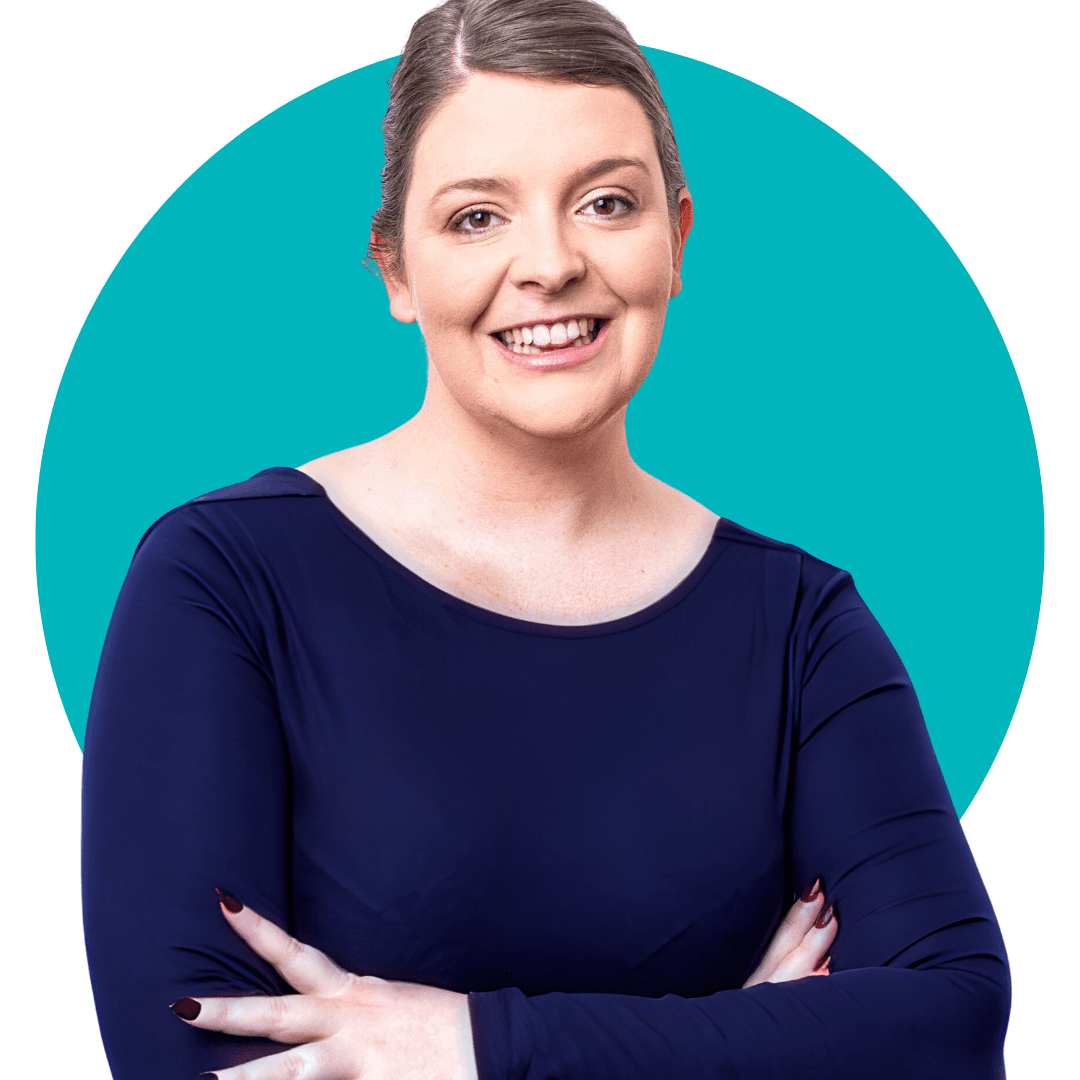
Hello, I'm Lucy Bloomfield — Founder of Magic Marketer
I built Magic Marketer for experts who have something to say but don't want to stare at a blank screen. You've got the experience and the stories; you just need one clear idea a day and a simple way to show up.
My mission is to help 100,000 professionals build visibility and credibility — without turning content into a second job. One decision. Daily results.