How To Write Social Media Profiles That Convert — LinkedIn, Instagram, Twitter & More
Your social media bio is your first impression. Here's exactly how to write profiles that turn visitors into followers, leads and clients — platform by platform, with templates and character limits.
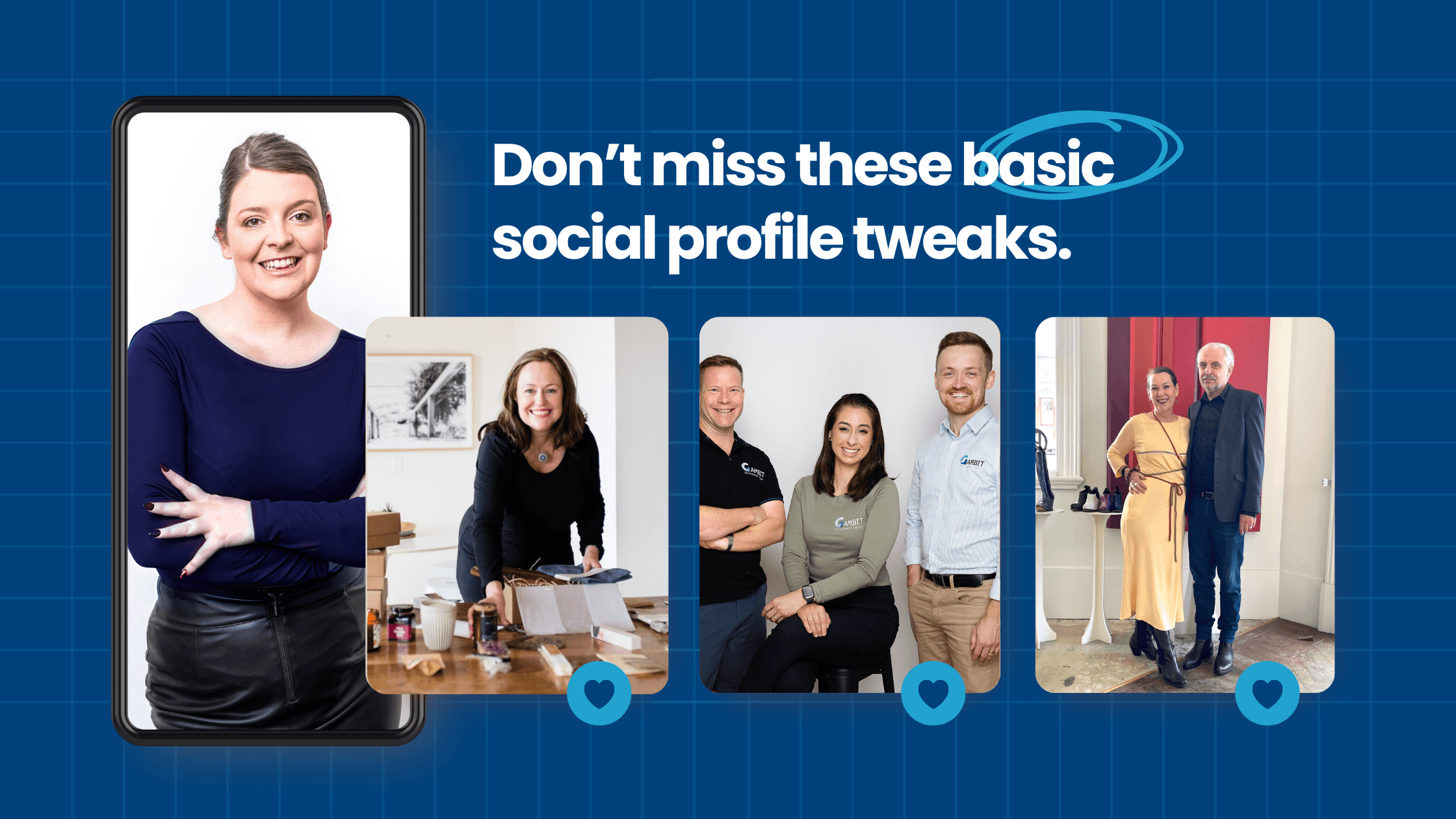
Every day, people land on your social media profile and make a decision in under three seconds: follow, or leave.
Your profile is not a formality. It's the highest-leverage piece of copy on every platform you use. It runs 24/7, it's the first thing people read when they discover your content, and it determines whether someone trusts you enough to follow, click, or reach out.
And yet most professionals treat it like an afterthought — a one-line job title, a vague tagline, or the same copy-pasted paragraph across every platform.
This guide breaks down exactly how to write a social media profile that converts — platform by platform — with the right structure, the right length, and the right tone for each.
Why your social media bio matters more than your content
Think about the last time you discovered someone on social media. You probably saw a post first. If it was good, you tapped their name. Then you read their bio. Then you decided whether to follow.
Your content gets people to your profile. Your profile converts them into followers, subscribers, or leads. Without a strong profile, even great content leaks attention.
Here's what a high-converting profile does:
- Answers "who is this person?" in one line — not a list of credentials, but a clear statement of what you do and who you help
- Establishes credibility fast — a specific result, a recognisable company, or a clear point of view
- Gives a reason to follow — what will someone get from your content? Why should they stick around?
- Has a clear next step — a link, a CTA, or an invitation to connect
LinkedIn profile: the most important one to get right
LinkedIn is where professionals make buying decisions, hire people, and book speakers. Your profile here carries more weight than any other platform.
Headline (220 characters)
This is the single most visible line on LinkedIn. It appears in search results, connection requests, comments, and posts. Most people waste it on a job title alone.
Structure that works: Position, Company | Speaker | #1 thing you're a resource for
Examples:
- Founder, Magic Marketer App | Speaker | Helping professionals turn expertise into daily content that drives inbound
- Partner, Smith & Co Legal | Speaker | Making employment law practical for growing businesses
- CEO, Bloom Studio | Speaker | Turning interior design into a scalable, profitable business
Why this works: it leads with authority (your role), signals thought leadership (Speaker), and closes with a benefit-driven statement that tells people exactly what they'll get from following you.
About section (2,600 characters)
This is your story. Not a CV. Not a list of achievements. A first-person narrative that answers: who are you, what do you do, who do you help, and why should someone care?
Structure:
- Hook — open with something interesting. Not "I am a..." but a statement, a question, or a moment.
- The journey — how you got here. What problem did you see? What did you build or learn?
- Who you help — be specific. Not "businesses" but "mid-market professional services firms with 20-200 people."
- What you share here — tell people what to expect from your content.
- Soft CTA — "Follow for daily insights" or "DM me if this resonates."
Position description (2,000 characters)
Don't just list responsibilities. Write 2-3 short paragraphs about what you do in this role and the impact you create. Be results-focused. This is where people look when they're deciding whether to work with you.
Instagram bio: 150 characters that do everything
Instagram bios are brutally short. You have 150 characters to explain who you are, what you do, and why someone should follow. Every character counts.
Display name: Use "First Name | Short expertise descriptor" (e.g. "Lucy | Marketing for Pros"). This is searchable — make it count.
Bio structure (use line breaks):
- Line 1 — who you are or what you do
- Line 2 — who you help or your credibility
- Line 3 — CTA ("Daily tips below" or "Link in bio")
Write like a real person. No corporate speak. No string of unrelated keywords. If you can't explain what you do in 150 characters, you don't know it well enough yet.
Twitter / X bio: 160 characters of personality
Twitter rewards personality. Your bio should be sharp, opinionated, and human. Lead with what makes you interesting — not your job title.
What works:
- A clear POV: "I believe every professional has a story worth telling daily"
- Specificity: "Helping 200+ consultants show up on LinkedIn without a content team"
- Personality: your actual voice, not a polished corporate statement
Display name: use your real name or "Name | Descriptor". Keep it recognisable — people need to know who you are at a glance.
TikTok bio: 80 characters, creator energy
TikTok is the shortest bio of any major platform. 80 characters. You get one line.
Speak like a creator, not a corporation. Think about what would make someone who just watched one of your videos want to see more.
Examples:
- "Marketing tips you can use today"
- "Making property development make sense"
- "The legal stuff no one explains"
YouTube channel description: 1,000 characters of substance
YouTube descriptions are read by both humans and search engines. Be keyword-rich without being spammy.
Structure:
- What the channel is about and who it's for
- What kind of videos you publish
- Why someone should subscribe
- Posting cadence if you have one
- CTA to subscribe
Facebook, Threads & Google Business
Facebook: Conversational and community-focused. Short bio (101 chars) captures what you do. About section (255 chars) expands on who you help and what content you share.
Threads: Similar to Instagram but slightly more casual. One line about what you do, one about what you post. Keep it human and approachable.
Google Business: Formal and SEO-friendly. Lead with what the business does and who it serves. Include location relevance and key services. This is the profile that shows up in Google search results — treat it accordingly.
The biggest mistakes professionals make with their profiles
- Copy-pasting the same bio everywhere. Each platform has different character limits, different audiences, and different conventions. What works on LinkedIn looks awkward on TikTok.
- Leading with credentials instead of value. "MBA, Harvard '14, 15 years experience" tells people about you. "Helping CFOs cut reporting time by 60%" tells people what you can do for them.
- Being vague. "Passionate about helping people grow" could be anyone. "Helping mid-market law firms turn partners into LinkedIn thought leaders" could only be you.
- Forgetting the CTA. Every profile should have a next step. Follow, DM, click the link, book a call. Don't make people guess what to do.
- Leaving fields blank. An incomplete profile signals you don't take the platform seriously. If you're on it, commit to it.
How to write all your profiles in minutes
Writing optimised profiles for 8 platforms manually is a full afternoon's work. And you'd need to do it again every time your role, focus, or messaging changes.
Magic Marketer now generates platform-specific profile copy for every channel you've connected — with the right structure, character limits, and tone baked in. One click per platform, fully editable, grounded in your actual website and target audience.
See it in action: Watch the generated profiles walkthrough on YouTube.
Connect your channels, head to Settings > Profile, and your profiles are done in seconds. Book a demo to see it in action.

Ready to show up consistently?
Daily content for every person on your team — without the blank screen.



Pay monthly. Custom invoicing available for large teams.
About the author
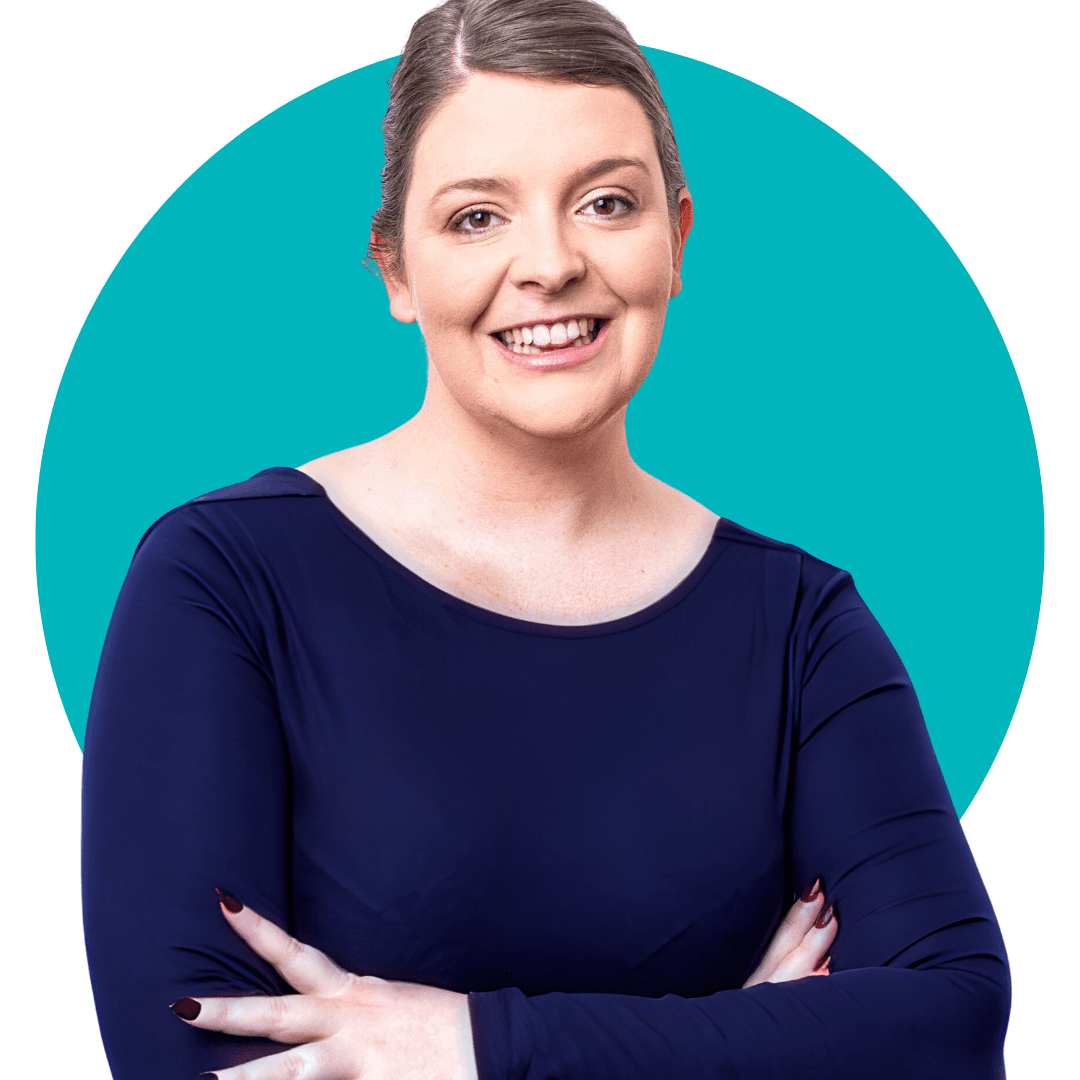
Hello, I'm Lucy Bloomfield — Founder of Magic Marketer
I built Magic Marketer for experts who have something to say but don't want to stare at a blank screen. You've got the experience and the stories; you just need one clear idea a day and a simple way to show up.
My mission is to help 100,000 professionals build visibility and credibility — without turning content into a second job. One decision. Daily results.